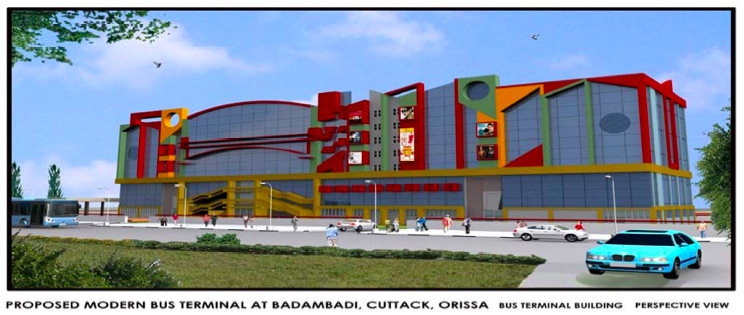
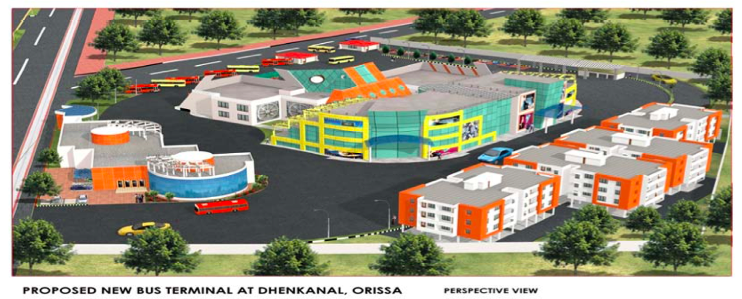
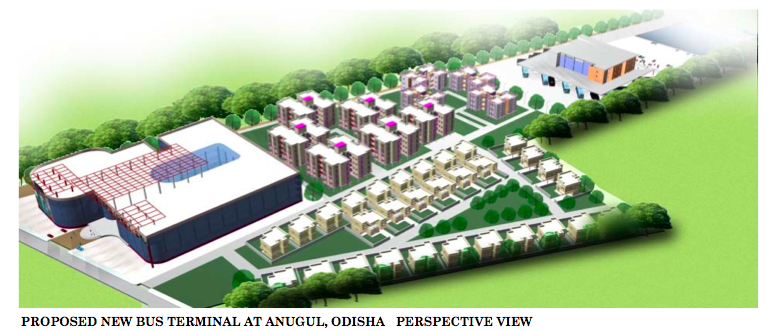
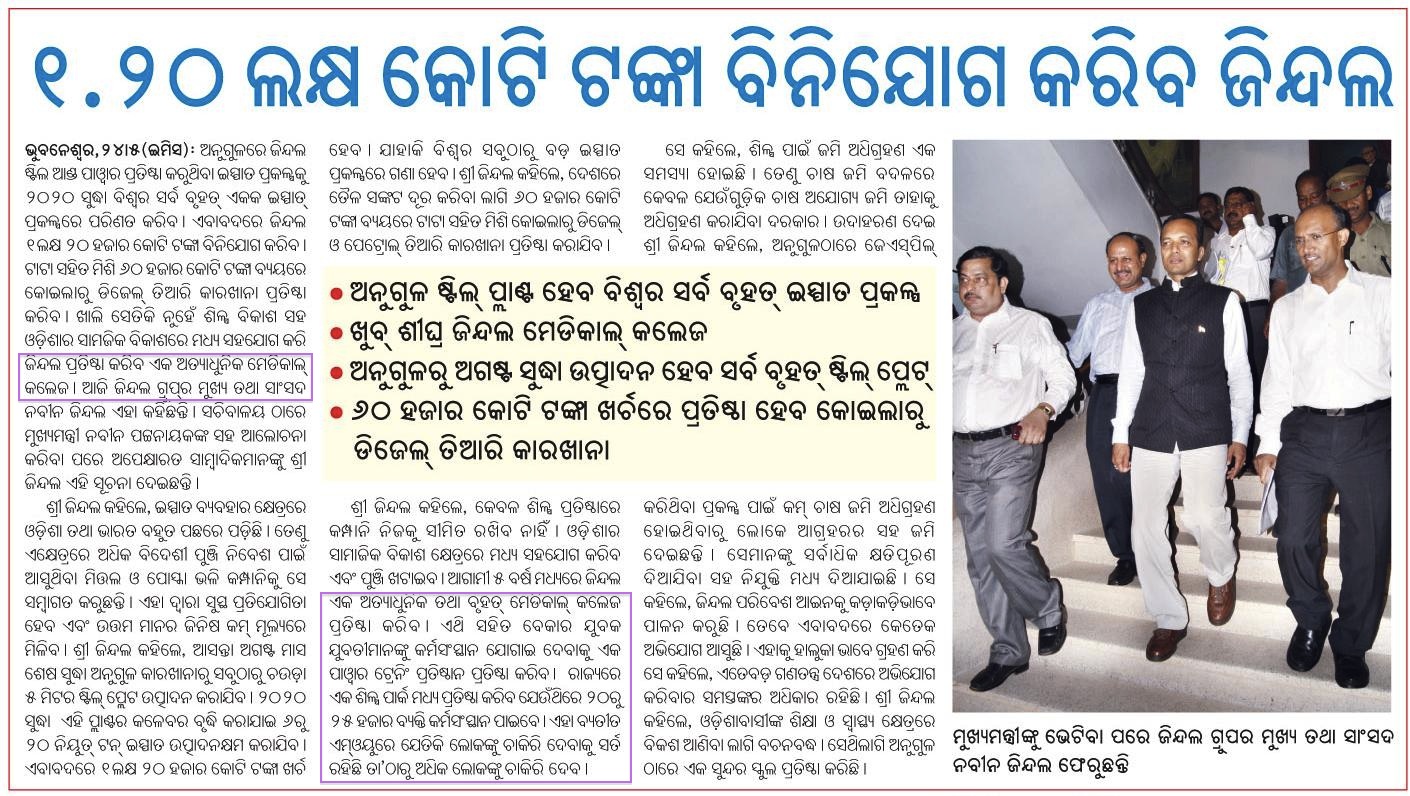
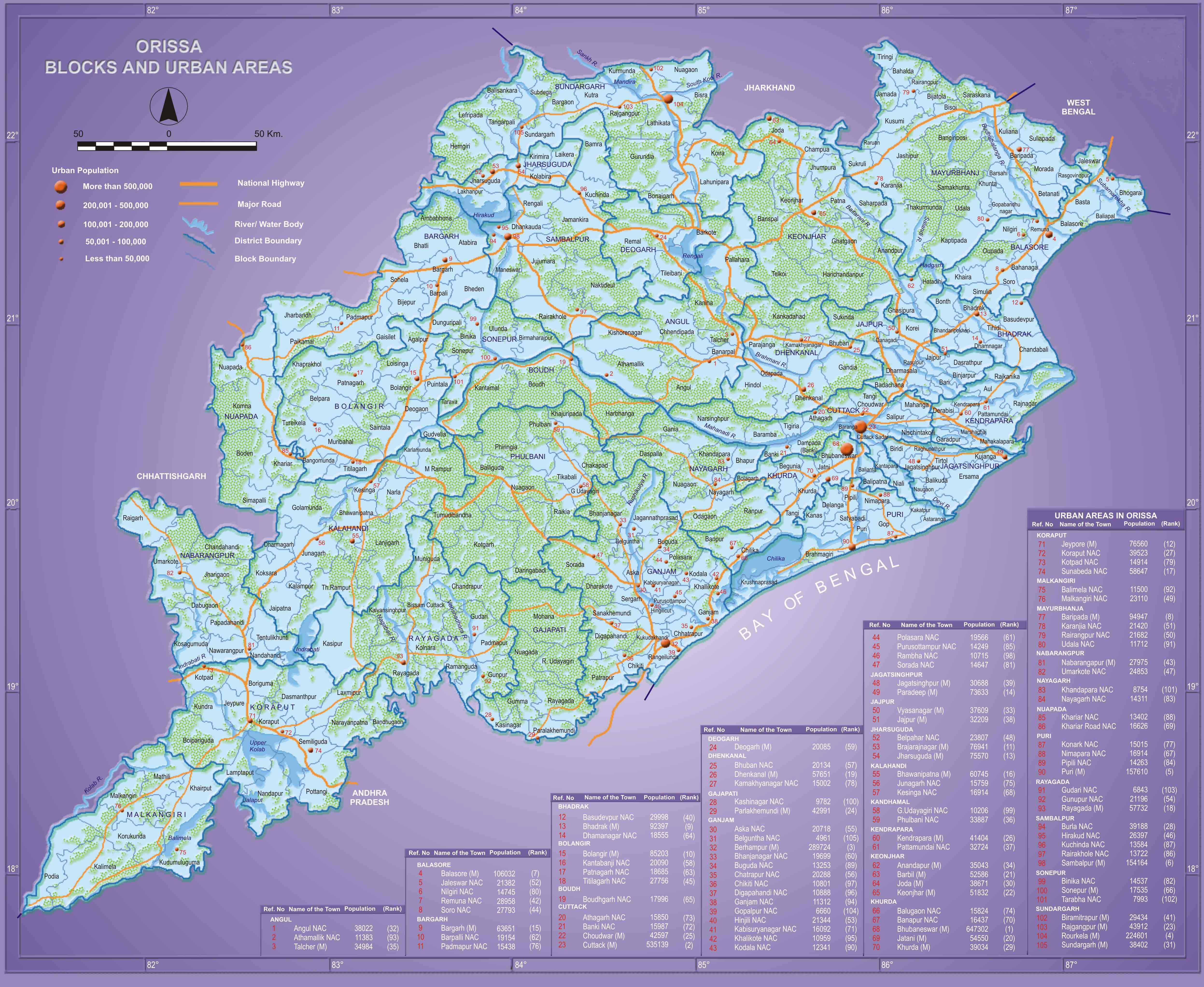
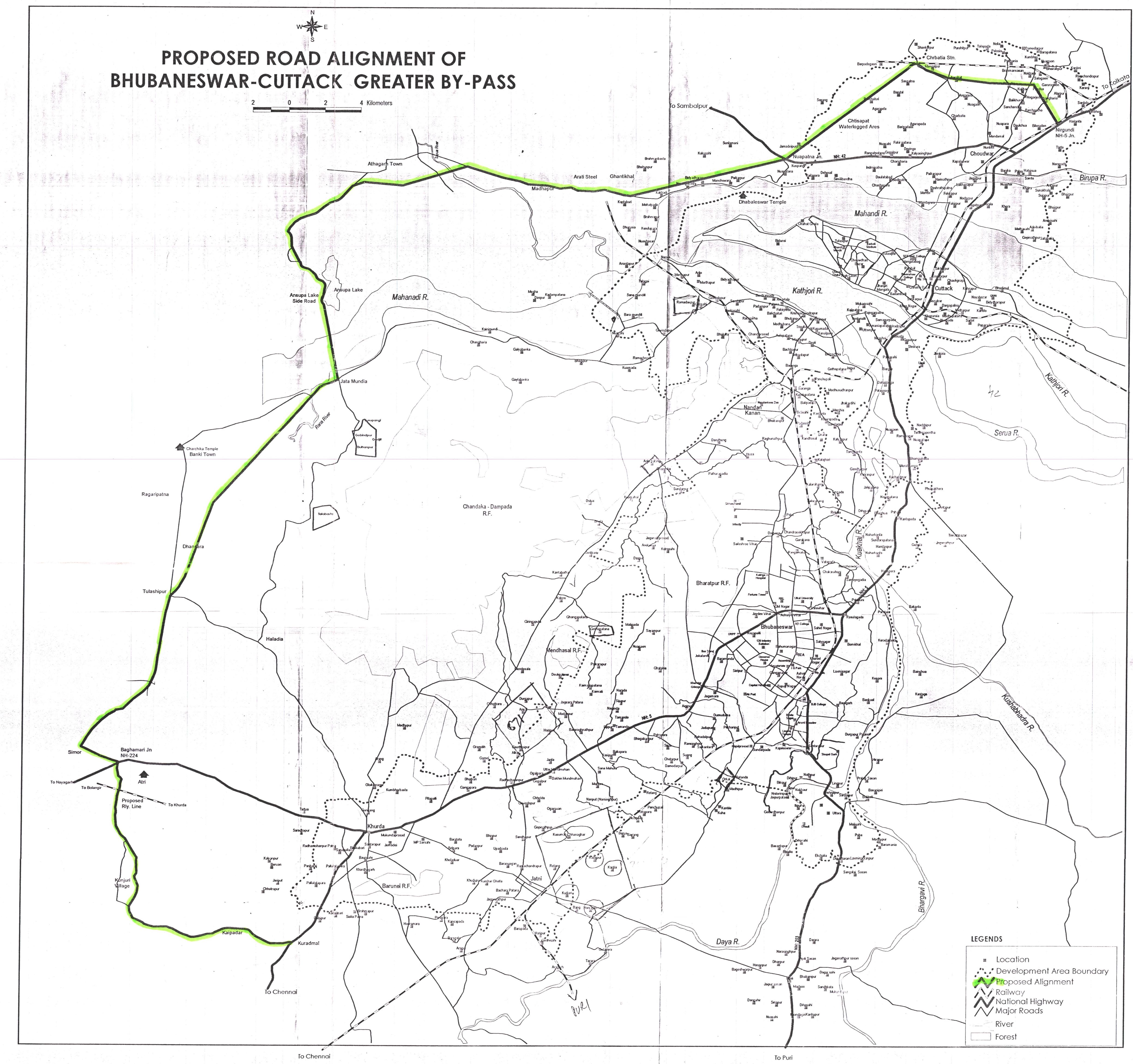
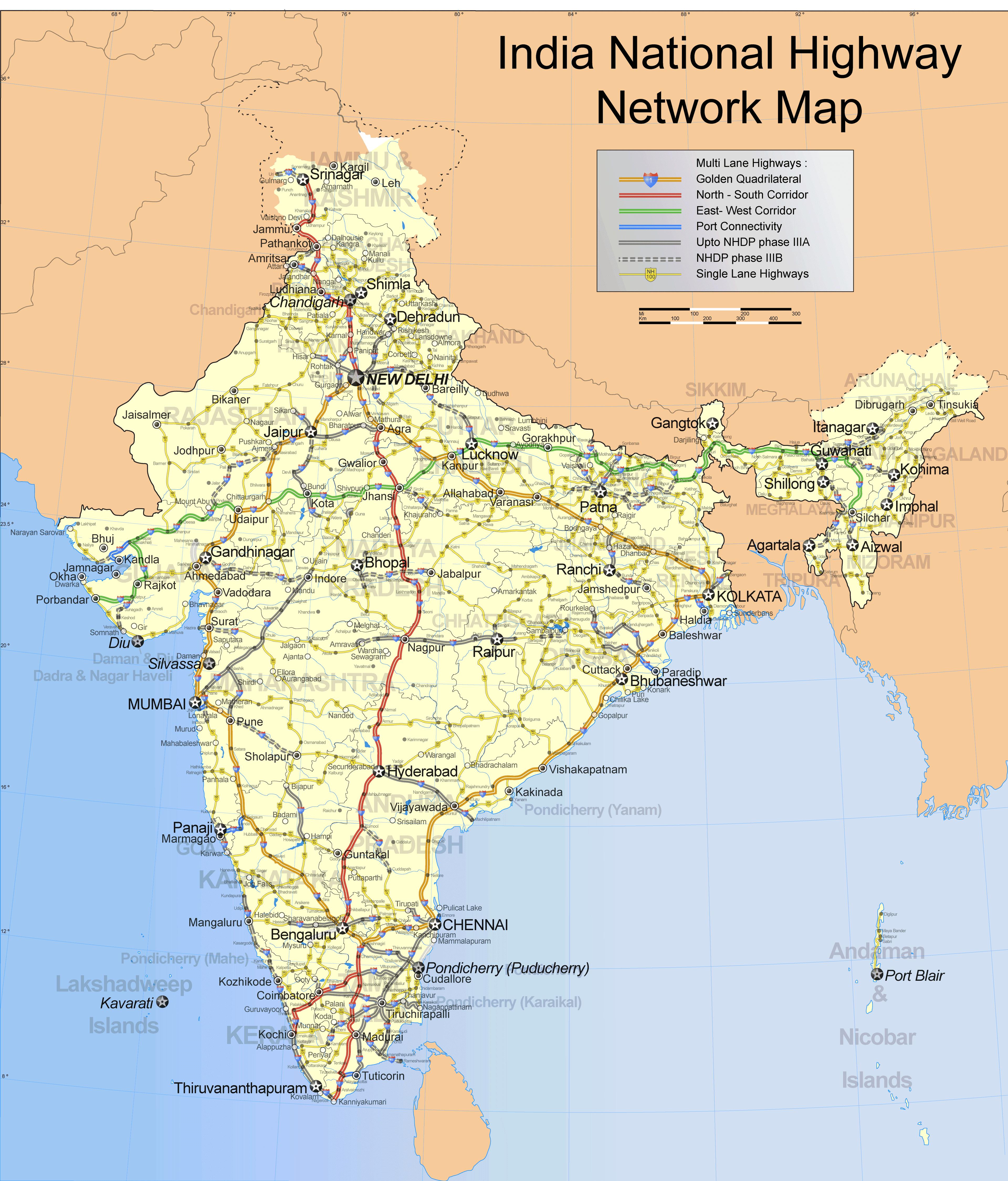
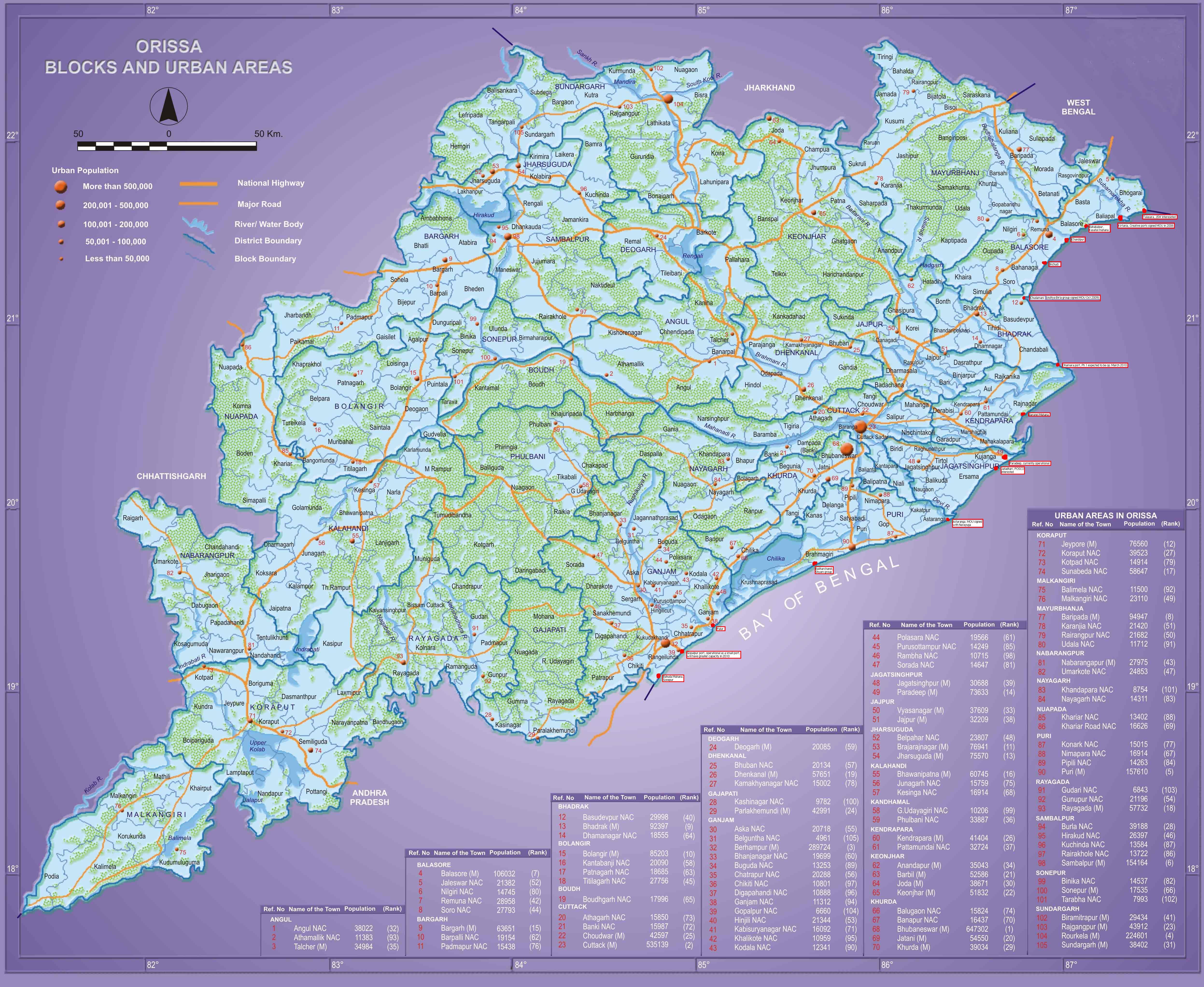
Following are excerpted from Pioneer reports at here and here.
Vedanta Aluminum would enhance its refinery, smelter and power plant capacity with a total investment of `37,440 crore. Vedanta Aluminium company would enhance its production capacity Langigarh unit to six million tonne from existing one million tonne. The company would also enhance its production capacity of Jharsuguda aluminium unit to 1.6 million tonne from existing 0.25 million tonne per annum. Similarly, the company would also increase power generation capacity of its CPP (captive power project) to 1,350 mega watt from existing 675 MW at Jharsuguda.
NSL Nagapatnam’s `8,900 crore investment plans in the State. The company would set up a 1320 MW power plant in Angul district at a cost of `6,600 crore, a 5,000-tonne sugar refinery at Paradip with an investment of `800 crore and a textile and spindle mill with 3 lakh spindles at a cost of `1,500 crore at Rayagada.
ACC Cement’s `1,850 crore three MTPA cement project along with a 50 MW CPP in Malkangiri district
Bhusan Steel’s `3,000-crore steel park at Meramundali.
SPI Ports to set up a 1,320 MW (2 x 660 MW) power plant at Mahakalpada in Kendrapara district at an investment of Rs 6,600 crore.
KU Pvt Ltd would invest Rs 7,260 crore to set up a power project with 1320 MW power generating capacity at Thakurpur in Sonepur district.
Rohit Ferro Alloys would spend Rs 2500 crore for setting up a 67.5 MW captive power plant at its 0.6 MTPA stainless steel project at Kalinganagar in Jajpur district.
Aditya Aluminum to enhance the capacity of its Rayagada alumina refinery to 1.5 MTPA from the present 1 MTPA, and Jharsuguda smelter from 0.26 MTPA to 0.36 MTPA with an total investment of Rs 11,000 crore,
Jindal India is proposing to enhance the capacity of its power plant from 1,200 MW to 1,800 MW with a total investment of Rs8, 000 crore.
Ind-Bharat is proposing to expand its power project capacity from 700 MW to 1320 MW by adding a 660 MW unit with a total cost of Rs 3300 crore.
Kalinga Energy, which is now shifting its site from Babuchaki in Sambalpur to Sodamal in Jharsuguda district has also got green signal to enhance the capacity of its power project from 1000 MW to 1320 MW with a total cost of Rs 6500 crore.
… "After completing the official procedures, we will sign an MoU for the CTL project involving an investment of Rs 42,000 crore," JSPL Executive Vice-Chairman and Managing Director Naveen Jindal told reporters after a meeting with Chief Minister Naveen Patnaik here this evening.
…Stating that he discussed with the chief minister the group’s four projects comprising the Rs 52,000-crore steel plant, a thermal power plant involving Rs 6,600 crore, the Rs 42,000-crore CTL plant and an industrial complex envisaging an investment of Rs 500 crore, Jindal said a total of Rs 1,01,100 crore would be invested in Orissa over the next decade.
"We also discussed (with the chief minister) on our proposal of enhancing steel capacity from 6 million tonne per annum (mtpa) to 12.5 mtpa," he said, adding the department of steel and mines is likely to list this project for consideration of the task-force by the end of July.
Jindal said, on completion, "about 80,000 barrel of oil per day will be manufactured from the proposed CTL plant." The project is likely to be listed in next task-force meeting in July itself, he added.
… Earlier, the Tata Group, in collaboration with Sasol of South Africa, had evinced interest in setting up a similar coal-to-liquid plant in the state.
… Jindal indicated to set up the unit in Angul district where its steel plant is being built.
JSPL, which had already been alloted a coal block in the state, would complete its proposed CTL petroleum project in eight years, a company executive said, adding about 32,000 would get employment in the project.
… While many mega industries face difficulties in implementing their MoUs, the JSPL chief said his company got support of the local people in Angul district.
Besides these four mega projects, JSPL is also working on setting up an engineering college and a power training institute, Jindal said adding the company is committed to recruit local youths in its plants.
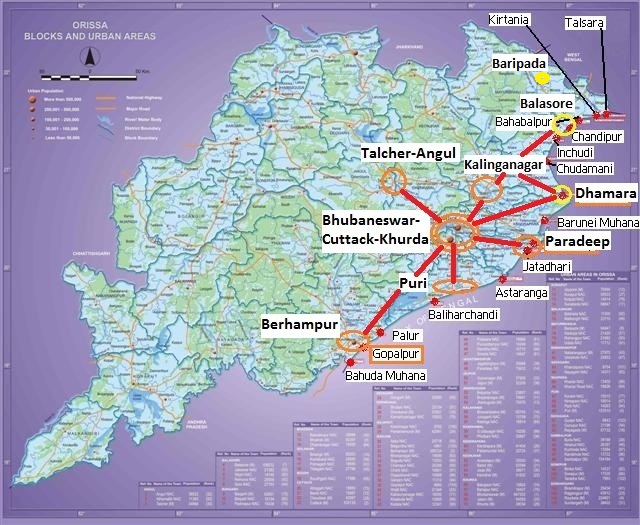
In 20 years (i.e., in 2030) the Bhubaneswar-Cuttack-Khurda population would be around 4 million plus. In addition the area would be surrounded by the following cities/towns within 150 kms radius (i.e., about a hour and half away).
Berhampur-Gopalpur to the south (with a then population of 1.5 million; about 145 kms away)
Puri to the south (with a then population of 700K; only 30kms away)
Kalinganagar to the North (with a then population of 500K; only 50 kms away)
Talcher-Angul to the West (with a then population of 500K; only 110 kms away)
Dhenkanal to the west (with a then population of 200K and almost in the periphery)
Paradip to the east (with a then population of 400K and 90 kms away)
Dhamara-Chandbali to the Northeast (with a then population of 200K and 140 kms away)
Bhadrak to the North (with a then population of 200K and 140 kms away)
A little farther is
Balasore-Chandipur to the North (with a then population of 300K and 162 kms away from the Northern end of Bhubaneswar-Cuttack-Khurda area)
In addition there will be several port towns other than the ones mentioned above and a few smaller towns (For example, Nayagarh) within 200km radius of greater Bhubaneswar.
Besides individual CDPs for these areas the Odisha governement should start making plans for this larger overall area. It would form a different kind of megalopolis than New Delhi, Mumbai or Kolkata with a well planned hub (Bhubaneswar) surrounded by mini-hubs and with rural areas in between. I can not off-hand think of another such area in the world; may be the readers can point me to some. Please suggest what kind of plans need to be made. (Please note that for something to be up and running in 20 years, plans need to be made now.) For example:
Commuter trains at frequent intervals and the necessary infrastructure for that. Following are some of the segments
Bhubaneswar-Puri-Konark-Astaranga (Puri-Konark-Astaranga needs to be built; alternatively if Astaranga port comes up, then there may be a new line from Barang to Astaranga)
Bhubaneswar-Berhampur-Gopalpur (Berhampur-Gopalpur needs to be built)
Bhubaneswar-Jajpur Rd(Kalinganagar)-Bhadrak-Dhamara (Bhadrak-Dhamara is ready but no trains yet)
Mining major Coal India (CIL), Gas Authority of India (GAIL) and Rashtriya Chemicals and Fertilizers (RCF) will come together to establish a project for producing urea and ammonium nitrate at Tachler, Orissa.
CIL has earmarked about 5.5 million tonnes of raw coal for the scheme, which once washed will come down to approximately 3.7 million tonnes of coal with less than 30 per cent ash content. Subsequently, GAIL is to gasify the fuel to produce urea and ammonium nitrate.
“The exact investment figures have not been fixed as the technology that will be utilised to produce urea and ammonium nitrate is still being studied. But an estimated few thousand crores are likely to be spent,” CIL chairman Partha S. Bhattacharyya said.
…“The joint venture (JV) has been mandated to produce a sizable amount of urea as well as 20-30 per cent of the annual ammonium nitrate requirement of CIL,” he added.
… Moreover, the JV is expected to revive the Talcher unit of the Fertilizer Corporation of India (FCI), as the project is expected to undertaken there.
Apart from easy access to coal, the Talcher unit has other infrastructural advantages including a coal-gasification plant, a heavy water plant and an urea plant already in place.
… "The state has received an investment proposal of Rs.101,100 crore (Rs.1 trillion/$22 billion) from Jindal Steel and Power. About $10 billion has been proposed for the new coal-to-liquid project," a senior official of the state steel and mines department said.
The project includes the coal-to-liquid plant, the thermal plant and a coal washery.
A coal block has already been allocated to the company in Angul district, over 160 km from here, by the central government. And the steel producer and power utility is now looking for about 2,000 hectares of land for the project, Naveen Jindal said.
"About three sites were being explored and the company prefers a location near the coal block," a senior company official said.
Also, Jindal is building a 12.5 million tonne steel plant, a 1,320 MW capacity power plant and an industrial complex in the same district. The company requires about 4,500 acres land for the steel and the power plant. "About 4,000 acres has already been acquired," the official said.
"The work on the steel and the power plant is going on and we hope to commission one part of the power plant and the steel plant by the end of this year," he said.
The first phase of the Naveen Jindal-promoted Jindal Steel and Power Ltd (JSPL)’s proposed 6 million tonne per annum (mtpa) steel project and 1000 Mw power plant at Angul in Orissa is expected to be commissioned in 2011-12.
The shifting of families to be displaced by the project was going on and simultaneously, the construction of the boundary wall had started. The detailed engineering would follow the completion of the rehabilitation and resettlement (R&R) of displaced persons and large scale construction would be taken up after that.
“We plan to start large scale construction work in January next year and the first phase commissioning is scheduled to be in 2011-12”, Rajesh Kumar Jha, executive director, JSPL told Business Standard.
He said, out of three villages to be shifted completely for the first phase construction, two villages had been rehabilitated completely. The remaining village would be rehabilitated by December this year. The company’s strategy of combining the project economy with the rehabilitated family’s economy has gone down well with the people. …
… the company had placed orders for civil and structural works worth Rs 1584.57 crore which was 60 percent of the estimated costs. Similarly, orders for plant and equipment worth Rs 4,034.34 crore had been placed which was about 35 per cent of the total estimated costs of plant and equipments.
The total cost of the project is Rs 22,420 crore with the first phase investment pegged at Rs 13,000 crore. The project has already attained financial closure and will have a 60:40 debt-equity ratio. While the debt component will be Rs 8,958 crore, the equity is Rs 13,452 crore.
… While the company requires 5,279 acres for the steel plant, about 3000 acres have been acquired so far. The acquisition of additional 707 acres of private land is likely to be over by the end of this month.
… Projects awaiting the chief minister’s nod include those proposed by National Thermal Power Corporation (Rs18,000 crore), L&T-Dubal (Rs 19,668 crore) and Lanco Babanh Power (Rs 11,402 crore) among others.
… The SLSWCA in its meeting held in March 2007 cleared the Rs 4232.54 crore investment proposal of Ashapura Minechem Ltd for setting up of a 0.5 million tonne per annum (mtpa) alumina refinery and 0.15 mtpa smelter with 300 Mw captive power plant (CPP) in Koraput district.
Similarly, NTPC proposal to set up a 3200 Mw thermal power project at Darlipali in Sundergarh district was approved by the SLSWCA in February 2008.
The fate of L&T’s proposal to set up an alumina-aluminium complex at Kusumsila near Rayagada and Vadrapali near Sambalpur in joint venture with Dubal is still uncertain.
Sources said, the HLCA is yet to consider the Rs 8,250 crore investment proposal of Orissa Thermal Power Corporation Ltd (OTPCL) to set up a 2000 Mw coal based power plant at Rengali. It is also yet to take up the Lanco Babandh Power’s application to enhance the MoU capacity from 1320Mw to 2640 Mw at Kurunti and Kharagprasad in Dhenkanal district.
The Rs 3101.86 crore proposal of Tata Sponge Iron to set up a 1.5 mtpa steel making capacity at Beliapada near Joda, recommended by the SLSWCA in May this year, is also pending for approval by the chief ministers.
… Though VAL had proposed to expand the capacity of its existing refinery at Lanjigarh from 1 mtpa to 6 mtpa, smelter plant capacity from 0.25 mtpa to 1.6 mtpa and the captive power plant (CPP) capacity from 674 Mw to 1350 Mw with a combined investment of Rs 37,440 crore, it was cleared in part by the SLSWCA.
The SLSWCA meeting held in May this year had recommended for a smelter capacity of 0.5 mtpa as the company had already achieved this level while approving the capacity expansion of the CPP to 1350 Mw without any increase in the refinery capacity.
Similarly, Hindalco Industries Ltd (Aditya Aluminium) had proposed to expand its alumina refinery capacity to 1.5 mtpa from 1 mtpa and expansion of its smelting capacity to 0.72 mtpa from 0.26 mtpa along with an increase in the CPP capacity to 1650 Mw from 650 Mw.
SLSWCA has only recommended a marginal increase in the smelting capacity from 0.26 mtpa to 0.36 mtpa and CPP capacity from 650 Mw to 950 Mw to the HLCA. Partial approval of these proposals was officially attributed to the non-availability of bauxite linkage and pending the final report of the environmental carrying capacity study taken up by the Orissa State Pollution Control Board.
That apart, the SLSWCA in its meeting on 26 August 2009 also recommended two projects of Rs 14,275 crore to HLCA. The Rs 7988 crore proposal of JR Powergen Private Ltd to set up a 1980 Mw power plant at Kishorenagar near Angul and BRG Energy Systems’s proposal to set up a 1320 Mw power plant at an investment of Rs 6287 crore at Bhapur in Nayagarh district are yet to be approved by HLCA.
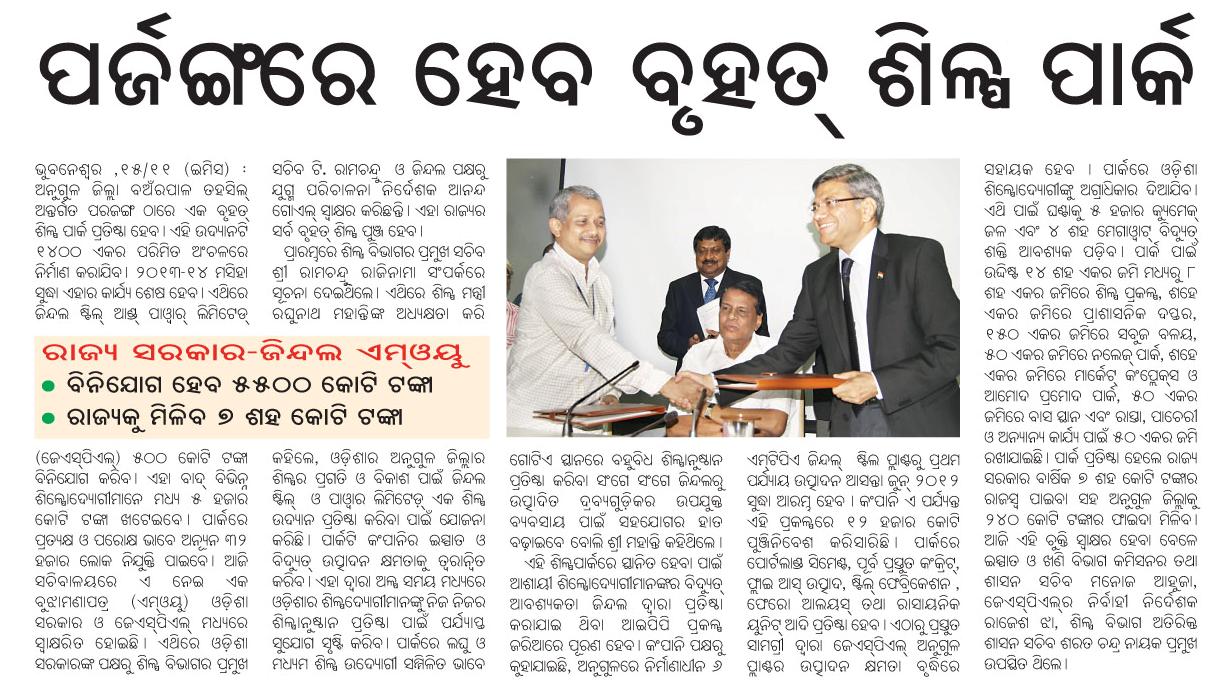
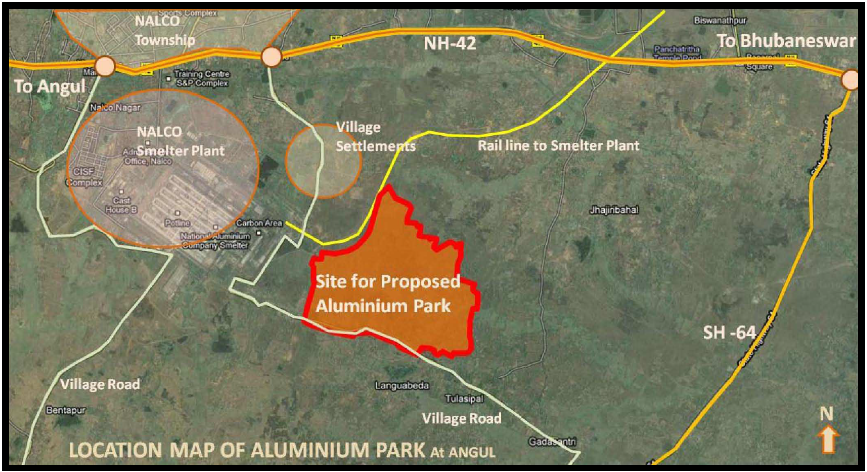
NALCO has its headquarter in Bhubaneswar. In Orissa, its major operations are in Angul and Damanjodi (Koraput). This week there has been several different news reports about it. We start with an excerpt from a report in Telegraph about the proposed aluminum park in Angul.
An MoU was signed between the central public sector National Aluminium Company (Nalco) and state-owned Industrial Infrastructure Development Corporation (Idco) here this evening.
… The proposed aluminium park, with an estimated cost of Rs 75 crore, will be located at Angul close to the smelter plant of Nalco, said its chairman and managing director C.R. Pradhan.
Nalco and Idco will set up a joint venture on 50:50 basis soon after signing the MoU, he said.
A pre-feasibility study for the aluminium park was conducted by AF Ferguson and 200 acre land has already been earmarked. Electricity, water, road facilities would be developed soon, Pradhan said.
National Aluminium Company Ltd (Nalco) is all set to go ahead with its Rs 6,000 crore aluminium complex venture in Andhra Pradesh as the bauxite mines it had sought has been cleared by the Centre and the Andhra Pradesh government. The company has bagged Gudem and Katamraju Konda bauxite mines in AP, which promises a deposit of 85 million tonne of bauxite, according to a Nalco spokesperson.
Nalco plans to build a 1.4 million tonne green field alumina refinery based on the Gudem and KR Konda bauxite deposits at Visakhapatnam at an estimated investment of Rs 6,000 crore.
NALCO plans to build a 310,000 tonne smelter and a power plant in Iran with Iran’s Kerman Development Organisation in a project that would cost it 80 billion rupees ($1.7 billion).
"Maybe in a month or two we will go ahead for signing the joint venture agreement with our local partner," B.L. Bagra, NALCO’s director of finance, told Reuters.
… Another overseas venture in Indonesia for a smelter and power plant was awaiting port and rail concessions by the Indonesia government, Bagra said.
Update: Biswarup Basu in an IRFCA posting pointed out that based on the current schedule this train is competitive with the 8005/06 Koraput-Howrah Express; 1 hr 5 minutes faster towards Howrah and 15 minutes slower in the other direction. So many may not mind traveling end-to-end on this train. He thinks there is enough traffic to introduce a daily train in this route.
East Coast Railway is running eight pairs of a special train between Sambalpur and Howrah via Angul. Following is its schedule.
From end-to-end connectivity point of view the path taken by this train is longer than the regular Sambalpur-Rourkela-HWH path.
However, this train would give a direct connection between Howrah and places like Angul, Talcher and Dhenkanal. A train in this route with different times and more stops could also provide direct and useful connection between Sambalpur/Redhakhol/Angul/Talcher/Dhenkanal and Jajpur Rd/Bhadrakh/Balasore. Perhaps ECOR is exploring a regular train in this route.
The state-level single-window clearance committee, headed by the chief secretary, today cleared proposals to set up industrial projects drawing a total investment of Rs 2,037 crore.
With the decision, decks have been cleared for signing MoUs by promoters concerned with the state government, sources said.
The committee also forwarded two more proposals for setting up of two thermal power plants to generate 3,300MW with a total investment of Rs 14,275 crore to the high-level clearance authority, headed by the chief minister.
… While JR Power Gen has proposed to set up a 1,980MW thermal power plant at an estimated cost of Rs 7,988 crore at Kishore Nagar near Angul, BGR Energy has submitted proposals for establishment of a 1,320MW power plant with an investment of Rs 6,287 crore in Nayagarh district.
… the committee gave its final nod to Hindalco’s proposal for setting up an aluminium re-rolling plant with a capacity of 2.85 lakh tonnes at Hirakud in Sambalpur district with an investment of Rs 850 crore.
The proposal of Rashmi Cement Limited to establish a 2 lakh tonnes ferro manganese plant at Haridaspur in Jajpur district with an estimated cost of Rs 300 crore and Dhananjay Industries’s 40,000-tonnes ferro alloy plant at Choudwar near Cuttack with an investment of Rs 180 crore were also cleared.
The committee also cleared the proposal of Kaushal Ferro Manganese for establishment of a re-rolling mill with a production capacity of 2 lakh tonnes at Padiabahal in Sundergarh district with an investment of Rs 82 crore.
The last proposal, which got the nod, was submitted by Bhubaneswar Power Limited to set up a 135MW power plant at Anantpur near Athgarh in Cuttack district on joint venture with Tata Steel and Jasper at an estimated cost of Rs 625 crore.
Swosti Plaza Bhubaneswar upgrades. Free airport pick up and drop off. Wi-Fi in rooms. Upgraded health club. http://bit.ly/6mUFg. Swosti Plaza Bhubaneswar upgrades to Swosti Premium. http://bit.ly/6mUFg.
SRPL plans to launch restaurant brands like Oh! Calcutta, Sigree and Machaan in Orissa by March 2010. http://bit.ly/afzPN.
Orissa has 8 large and 38 medium reservoirs. Work on 16 reservoirs is in progress. Rs 230.4 crore budget for this. http://bit.ly/109dUK.
Apollo will be commissioning a 350-bed multi-speciality tertiary hospital at Bhubaneswar before September this year. http://bit.ly/wzae2.
Orissa yet to submit final proposal on PCPIR in Paradeep? http://bit.ly/p1YiM.
Rs1462 crore for Orissa to raise tree cover in degraded forest land. http://bit.ly/UPltI Money had accumulated through CAMPA.
People blindly opposing industrialization of Orissa should read http://www.counterpunch.org… Orissa needs more job ops.
Orissa has proposed 4 sites for international size shipyards. http://bit.ly/HJ6DA. Those sites are: Astaranga (in Puri), Palur, Gopalpur and Bahuda muhana/Sonepur (all in Ganjam).
Next yr Rail budget should have the new trains Bhawanipatna-BBS, Gunupur/Parlakhemundi-BBS and the extension of BBS-Baripada to Bangiriposi.
MP Tathagat Satpathy wants BBS-NDLS non-stop express to go through Talcher-Angul. How will it benefit his constituency Talcher-Angul?
Shri Naveen Patnaik, Chief Minister, Orissa met Shri Anand Sharma, Union Minister for Commerce and Industry at New Delhi and discussed various issues pertaining to development of Industry Clusters and handicrafts in Orissa.
… The Union Minister also agreed to the proposal of the State Government for providing infrastructure support for development of industrial clusters under the Industrial Infrastructure Upgradation Scheme (IIUS) of GoI for the clusters located at Balasore (Plastic Products Cluster) at a project cost of Rs 62.50 crore and another at Mancheswar (Engineering Cluster) at a project cost of Rs 61crore. He complimented the State Government for smooth implementation of the Metallurgical Cluster Project in Jajpur (Kalinganagar) which has already been sanctioned for Orissa under the IIUS.
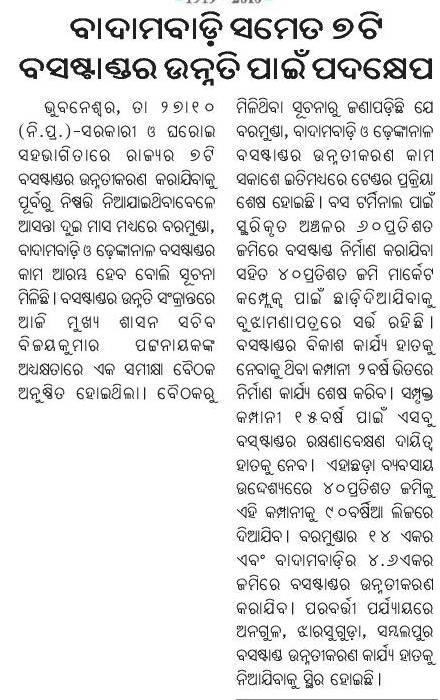
Following is from Samaja:
In the following Business standard reports on progress on the proposed Aluminum park in Angul.
The proposed aluminium park of the public sector National Aluminium Company (Nalco) at Angul in Orissa, which was mired in uncertainty, is finally set to see the light of the day.
The proposed venture will be set up jointly by Nalco and the state owned Industrial Infrastructure Development Corporation of Orissa (Idco). The two partners are expected to sign a memorandum of understanding (MoU) in this regard soon.
Sources said, Nalco and Idco will have equal stake in the project. …
“All the contentious issues have been resolved and the terms and conditions of the draft MoU have been agreed upon by both the partners. The signing of the MoU is a matter of technical formalities”, a senior official of the state industry department told Business Standard.
Sources said, the MoU will be signed by the end of this month and the chief minister Naveen Patnaik will lay the foundation stone for the project in the first week of September. The proposed park will come up adjacent to the existing smelter plant of Nalco at Angul.
The complex will house various downstream and ancillary aluminium industries. Though it was originally planned to develop the project over 200 acres, it has been decided to acquire 50 to 100 acres more to increase the size of the park. This will take care of the future growth requirement and creation of some social infrastructure.
… Sources said, the cost of developing the land in the park will be borne by Nalco and Idco equally and this will be recovered from the units which will come up in the park. An innovative pricing structure is proposed to be put in place for this.
The aluminium park, once fully developed, is expected to attract investment of Rs 300 to 400 crore. It may be noted, the project passed through uncertainty as the state government was earlier reluctant to join the project as a joint venture partner.
The much awaited Rourkela-Bhubaneswar Express (declared in the current budget in an addition to the 57 new trains) remains a mystery. A leading local daily named "SAMBAD" has reoprted that the train will start within a few weeks and the Railways Authorities at Rourkela have already received an additional time table for this train. It reports that the train will depart Rourkela at morning 05:15 hours and reach Bhubaneswar at 13:15 hours in the afternoon. After a stay of about 30 minutes at Bhubaneswar, it will depart at 13:45 hours and reach Rourkela at 21:45 hours(an expected Superfast). This train is supposed to be operated by South Eastern Railway.
This train will bring up some new convenient 1-change connections.
From Bhubaneswar (BBS) to Mumbai: Using this train one can go to Jharsuguda (JSG) and then take Gitanjali that leaves JSG at 21:43. 2860 Gitanjali Express reaches Mumbai CSTM at 21:30 the next day. The total time from BBS to CSTM would be 31 hrs 45 minutes, much less than 1020 Konark which takes 36 hrs 40 mins. The weeklies 2146 and 2880 take 32hrs 15mins and 30hrs 15mins respectively.
From Mumbai to Bhubaneswar: 2859 Gitanjali leaves CSTM at 6:00 and reaches JSG the next day at 04:25. One can then take the above Rourkela – Bhubaneswar Express to reach Bhubaneswar at 13:15. The total time from CSTM to BBS would be 31hrs and 15 mins.
From Rourkela to Secunderabad: Using this train one can go from Rourkela to Bhubaneswar and then take Konark to go to Secunderabad. Konark leaves Bhubaneswar at 15:15 and reaches Secunderabad the next day at 11:35. The total time from Rourkela to Secunderabad would be 30hrs 20 mins. (One can take Falaknuma that leaves BBSR at 14:05 instead of Konark; but the connection time would be much less making it risky.)
From Secunderabad to Rourkela: 2704 Falaknuma leaves Secunderabad at 16:00 and reaches BBS the next day at 10:40. One can then take the BBS-ROU Express to Rourkela to reach ROU at 21:45. The total duartion will be 29 hrs and 45 mins.
Union minister of state for chemicals and fertilizer, Srikant Jena on Sunday said the fertilizer plant at Talcher, 126 km from here would be revived with an investment
of Rs 12,000 crore. It provided direct and indirect employment to 30000 people in the area.
“The government will appoint consultants to suggest the modalities to raise finance, identify appropriate technology to revive the closed fertiliser unit at Talcher”, Mr Jena told ET.
The union government already had decided to revive Talcher plant. In fact, last October the Cabinet had set up an Empowered Committee of Secretaries under the chairmanship of Fertiliser Secretary Atul Chaturvedi to come up with possible financial models for the revival of the closed plants at Talcher, Barauni, Haldia, Ramagundam, Durgapur, Gorakhpur, Korba and Sindri.
The Talcher plant had liabilities of over Rs 4000 crore and assets worth of Rs 225 crore. “The liabilities comprise of mostly loans from the government of India and interest on loans. This can be waived once all the modalities of revival are worked out. We propose to expand its capacity to 12 million ton per annum [TPA].
Commercial production of Ammonia and Urea at the Talcher unit commenced in November 1980. Urea and Ammonia plants have been designed with a capacity to produce 4.95 lakh and 2.97 lakh tpa respectively.
However production of Urea and Ammonia was first suspended from April 1, 1999 due to its economic non-viability. In 2002, it came to grinding halt after the NDA government decided to close the unit following BIFR sanction.
Last year, the union government decided to renew Talcher unit and consulted with the companies like the Rashtriya Chemicals and Fertilisers and National Fertilisers. It even decided to put in an investment of Rs 5,000 crore in the project in view of the ambitious target of production of 40 million tpa of urea by 2012.
… RCF is the only profit making public sector fertilizer company which has evinced interest to take over Talcher and Durgapur (West Bengal) Fertilizer plant for revival. In fact, the feasibility report on Talcher had already been submitted to RCF.
The revival plan included proposal to convert Talcher plant from a coal based urea plant to a gas-based urea unit with capacity to produce 2000 ton of ammonia per day. There is no problem of water in Talcher, non-availabilty of gas remains the biggest hurdle in the way of reviving the plant. There is no source of gas nearby.
The proposed gas pipe line to be laid by Reliance Industries carrying gas from Krishna-Godavari basin to West Bengal via Bhadrak in Orissa could be the solution, sources said. However, the ministry will take a final view after the consultants submit detailed report on the financial model and technological options available for the revival of the Talcher unit.
Union Minister of State for Chemicals and Fertilisers Srikant Jena has to push a few major projects for Orissa, feel industry watchers. One of the largest projects waiting for clearance is the Petroleum, Chemical and Petrochemical Investment Region (PCPIR) project at Paradip.
The State Government has proposed a PCPIR expecting an investment of Rs 2.75 lakh crore.
While PCPIRs have been approved for Gujarat, Andhra Pradesh and West Bengal, the fate of Orissa’s proposal for it is still hanging. The PCPIR policy, notified in April 2007, seeks to ensure adoption of a holistic approach to the development of global scale industrial clusters in the petroleum, chemical and petrochemical sectors in an integrated and environment-friendly manner.
The Government of Orissa has taken the Indian Oil Corporation Limited (IOCL) as the anchor investor. The IOCL is investing nearly Rs 30,000 crore for a greenfield refinery project at Paradip. The PCPIR proposal is, however, gathering dust in the files of the Ministry. So, it is high time Jena pushed the project to the Union Cabinet for approval by convincing the Cabinet-rank Minister MK Ajhagiri.
With this single clearance, Paradip will be in a position to attract huge investments in the petroleum, petrochemicals, fertilisers and other related areas. Similarly, Jena can push for the establishment of a NIPER (National Institute of Pharmaceutical Education and Research) in Orissa.
The government has awarded the country’s first two coal-to-liquid-petroleum projects to the Tatas and Jindal Steel and Power.
Both the projects, estimated to cost $6-8 billion each, will come up in Orissa.
The Union coal ministry has allotted the Ramchandi block to Jindal Steel and Power Limited (JSPL) and the north Arkhapal block to Strategic Energy Technology Systems Ltd, a 50:50 joint venture between Tata Sons and Sasol of South Africa.
…Jindal Steel will use the technology of Germany’s Lurgi, while the Tatas will depend on Sasol’s expertise.
In each project, annual production is estimated at four million tonnes based on the daily production of 80,000 barrels.
The process involves the gassification of coal to produce synthetic gas, which is then converted to crude through different technologies.
Given the quality of Indian coal, crude from this process will cost $55-60 a barrel, about 50 per cent more than the current price of $40 a barrel.
However, the project will take at least six years to take off, and crude prices are likely to rule higher than the current levels.
“When a project of this magnitude is being conceived for 25-30 years, one does not only look at current economics,” a JSPL official said.
The process also involves the washing of coal, and the waste thus produced will be used to produce power. JSPL said the project would help it generate 1,350MW of power.
The crude oil produced from coal is expected to be low on sulphur. The bulk of the fuel will be diesel, which is consumed 5 times more in India than petrol.
JSPL’s proposed unit will be located at Kishore Nagar in Angul district of Orissa. The site has been selected keeping in mind the availability of water and rail and road connectivity.
… JSPL is also building a 6mt steel plant at Angul. Tata Steel, too, plans to set up a unit in Orissa. JSPL said it had already placed the order for two coal gassifier units for the upcoming steel plants at Angul and in Chattisgarh.
Located in Bhubaneswar, Orissa.
The Sixty Four Yoginis temple at Hirapur is a circular enclosure with a narrow doorway to the eastern side. The diameter of the enclosure is 7.62 meters or 25 feet and height of the wall on the paved floor inside is 1.87 metres or 6 feet 2 inches. Yogini was considered sacred, hence this temple was created. Inside the temple there are 60 niches and in every niche there is a figure of a Yogini. All the Yogini images stand and are carved on black chlorite stone.
Nandan Kanan National Park
Located in Chandaka Forests, 20km from Bhubaneshwar, Orissa.
The park is spread in about 4 sq.km. of area, while the wildlife
sanctuary is spread in around 5 sq. km. The park is home to more than 75 species of mammals and reptiles.The Nandan Kanan National park houses the very first captive gharial breeding centre of the country. Nandan Kanan justifies its literal meaning i.e. "Garden of Pleasure".
Lingaraja Bhubaneshwar Temple
Located in Bhubaneswar, Orissa.
The Lingaraja temple is located in a spacious courtyard covering
over 250000 sq feet and is bounded by fortified walls. Its tower rises up to 180 feet and is elaborately carved. It is dedicated to Lord Shiva and the Lingam here is unique which is a harihara lingam -half Shiva and half Vishnu.
Built by Yayati Kesari in the 7th century. This temple is dedicated to Tribhubaneshwar or the Lord of Three Worlds. The Lingaraja temple is about 1000 years old.
Udaygiri and Khandagiri Caves
The caves are located atop the twin hills known as Udayagiri
(meaning the hill of the sunrise) and Khandagiri (meaning the
broken hill) which rise abruptly from the coastal plain, about 6km
West of Bhubaneswar, separated by a highway. Udaygiri caves are approximately 135 ft high and Khandagiri caves are 118 ft high.
The main attraction of these caves consists of its stupendous carvings. Of all the caves in Udaygiri, the largest one is the Rani Gumpha or the Queens Cave. The origin of the rock cut caves of Udaygiri and Khandagiri dates back to the 2nd century BC.
The caves are reminiscent of influence of Buddhism and Jainism in Orissa. The inscription and carvings on the walls show that they once served as Jain Monasteries.
Raghurajpur Craftsman Village
Located 14 kms from Puri in Orissa. The village is inhabited by artisans producing sheer poetry on pieces of treated cloth, dried palm leaf or paper. The Villages runs from east to west with houses arranged in two neat rows facing each other. In the centre runs a line of small temples. The village has a community of artisans who produce different verities of handicraft items like pata paintings, palm leaf
engravings, stone carvings, wooden toys and mask, wood carving, wooden toys, cow-dung toys, tusser paintings, etc.
Puri Beach
Located on Shores of Bay of Bengal, at a mere distance of 35 kms from the Sun Temple and 65 kms from Bhubaneshwar. Pilgrims from all over India visit Puri to take a dip in the holy water of the rolling waves which is considered religious. It is renowned for the sand sculptures created particularly by the internationally famed Sudarshan Patnaik. Puri is the abode of Lord Jagannath and considered one of the most important Hindu pilgrimage destinations. The beach is a festive place where people come to relax and be entertained. It serves as the venue of the Puri Beach Festival.
Sun Temple, Konark
Situated at a distance from the famous religious and tourist centre of Puri (35 Km.) and the capital city of Bhubaneswar (65 Km). The entire temple was designed in the shape of a colossal chariot with seven horses and twenty four wheels, each about 10 feet in diameter, with a set of spokes and elaborate carvings. The Sun Temple of Konark marks the highest point of achievement of Kalinga architecture depicting the grace, the joy and the rhythm of
life all it`s wondrous variety. It was built by King Raja Narasinghs Deva-I of the Ganga Dynasty in the thirteenth century. It is a temple to Surya, the sun God.
Chilika Lake
Chilika Lake (also called Chilka lake) is a brackish water coastal lake in India`s Orissa state, south of the mouth of the Mantei River.
The area of the lake varies from 1165 km sq. in the monsoon season to 906 km sq. in the dry season, and is studded with numerous small islands. The lake is an important habitat and breeding ground for both
resident and migratory and aquatic birds, most notably flamingoes.
The lake was formed due to the silting action of the Mantei River
which drains into the northern end of the lake, and the northerly
currents in the Bay of Bengal, which have formed a sandbar along the eastern shore leading to the formation of a shallow lagoon.
The main attractions inside the lake are Kalijai Island, Honeymoon Island, Breakfast Island, Birds Island, Nalabana (Island of Reeds) and Parikud Island.
The Other Five sites in Orissa:
Olive Ridley Sea Turtles
Found in the Indian Ocean along the Bay of Bengal is Orissa. Average weight of the turtles is just over 100 lb (up to 50 kgs). They have a high-domed shell, with a carapace length of only 30 inches (70 cms). Olive Ridleys are omnivorous, feeding on crabs, shrimp, rock lobsters, sea grasses, snails, fish, sessile, pelagic tunocates and small invertebrates. The Orissa coast is one of the three sites worldwide where mass nesting of the olive ridley turtle occurs. This sea turtle is especially known for its mass nesting when several thousand turtles migrate to the breeding ground to mate and nest simultaneously. Hindu mythology worships sea turtles as an incarnation of one their gods. Over the past five years, sea turtles have suffered mass mortality along the Orissa coast due to death by drowning as incidental catch in trawl- fishing nets. About 5000 to 10,000 dead turtles have been washed ashore each year, a total of over 100,000 in the last ten years.
Sitabinji Caves
Situated on River Sita, 30 km from Keonjhar. The structure is like a half opened umbrella. It depicts a royal procession.
It has gained prominence for the ancient fresco painting on a rock shelter called “Ravan Chhaya”.
Khandadhar Waterfall is located amidst the forest of Sundergarh (specific location is Nandapani). The Khandadhar Falls is categorized as a horsetail waterfall. The falls appear to be located on a smaller watercourse, though are said to be perennial.
During the monsoon months the water from the Koprani Nala, a rivulet, overflows and it drops down as a fall from a height of 800 feet.
This waterfall because of its height is visible from a distance of about 5 kilometres.
Located 15 km from Sambalpur, Orissa. The Hirakud Dam is built across the Mahanadi River, about 15 km from Sambalpur in the state of Orissa in India. The dam regulates the flow of the Mahanadi River and produces hydroelectricity through several hydroelectric plants. Hirakund dam is about 4.8 km long, bordered by earthen dykes on its left as well as right. Built in 1956, the dam is the world`s largest earthen dam. The dam helps control floods in the Mahanadi delta and irrigates 7,500,000 hectares of land. Hirakud dam was the first post- independence river valley project in India.
Sleeping Vishnu Temple
The sleeping statue of Lord Vishnu is situated in Bhimkund, at a distance of about 28 kilometres from Talcher. The sleeping image of Vishnu at Bhimkund is second only to Gomateswar (Karnataka) in size. It has the honour of being the largest sleeping image in India.
In spite of its magnanimity, image contains a natural softness. The period of its creation is believed to be 8th-9th century AD.
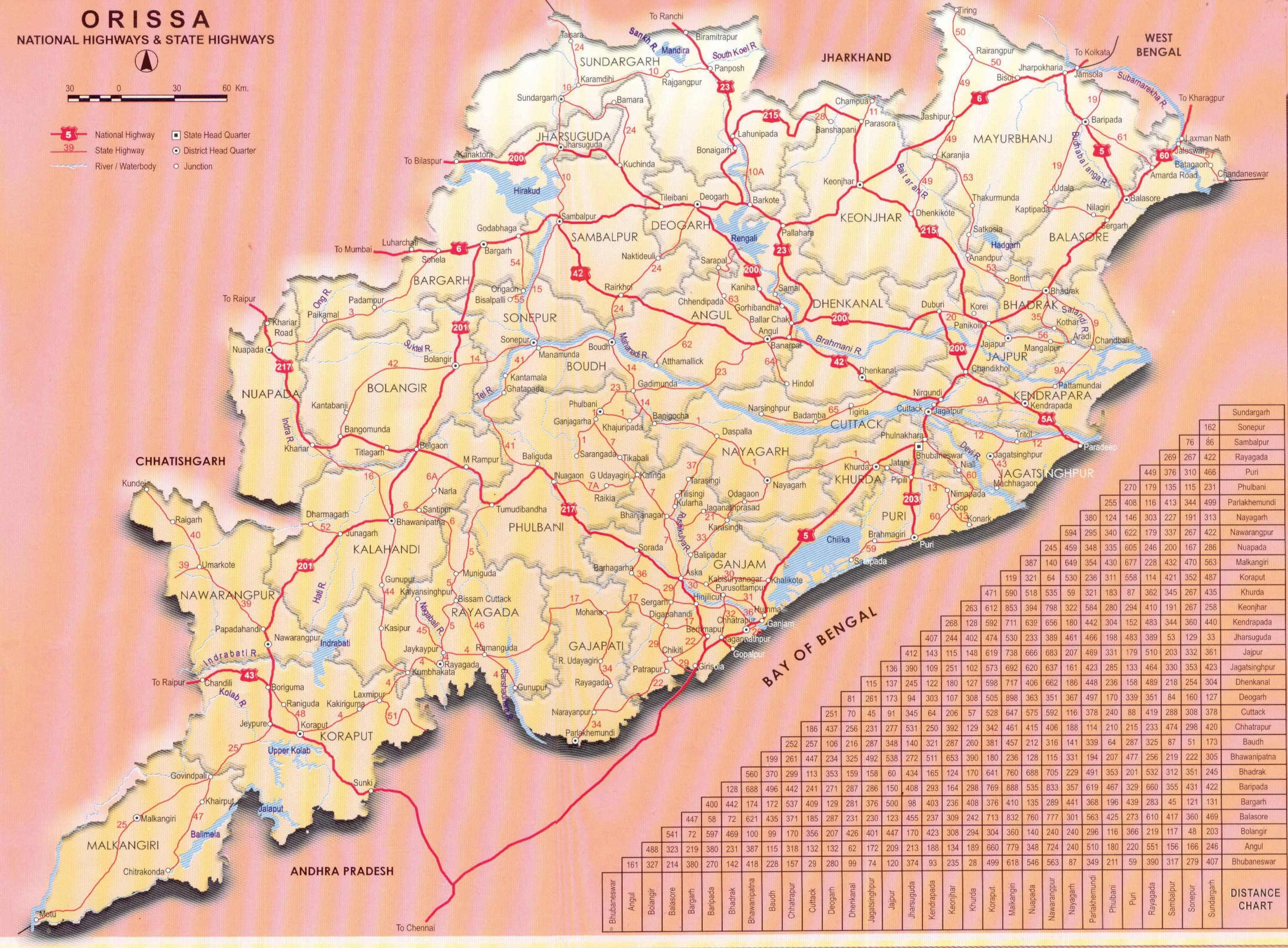
Note, that Jajpur-Rd Duburi is also being 4-laned. With all these 4-laning, Kalinganagar area will be surrounded by four 4-lane segment: NH-5, NH-200, NH-215 and Jajpur Rd-Duburi.
There is plan to four-lane Bhubaneswar-Puri. The Orissa government should pursue the four-laning of the following:
NH-42 from Cuttack to Angul
NH-23 from Talcher to NH-6
The Orissa government should team up with Jharkhand to 4-lane
NH-23 from Rourkela to Ranchi
NH-83 from Jamshedpur to NH-6
NH-5 between NH-6 and Balasore (the last two need for port access in the upcoming ports in the Balasore district)
The Orissa government should team up with West Bengal, Jharkhand, Chhatisgarh and Maharashtra for four-laning NH-6 completely.
These actions will 4-lane the upper part of Orissa with fairly direct 4-lane paths from many areas of Orissa to Delhi and Mumbai. (Fairly direct 4-lane connections exist between Orissa to the south and Kolkata.)
The Cabinet Committee on Economic Affairs today gave its approval for the development of 4 laning of (i) Panikoili-Keonjhar-Rimouli, (ii) Rimouli-Roxy-Rajmundra sections of NH-215 and (iii) Chandikhole-Duburi-Talcher Section of NH-200 in the State of Orissa under NHDP Phase III A on BOT Basis.
The project cost of (i) Panikoili-Keonjhar-Rimouli section (163 km) is estimated as Rs.1170.59 crore including Rs.84.40 crore towards Land Acquisition (LA), Rehabilitation and Resettlement and preconstruction. Similarly, the estimated cost for Rimouli-Roxy-Rajmundra (106 km) and Chandikhole-Duburi-Talcher Section (133 km) are Rs.849.05 crore and Rs.969.63 crore respectively. The cost towards LA, R&R and preconstruction of other two projects are Rs.195.29 crore and Rs.185.63 crore respectively. The Government would provide the viability gap funding (VGF), which would not exceed 40% of the total project cost excluding the cost of LA, R&R and pre-construction.
The project will be developed by the National Highways Authority of India (NHAI) through the Private Sector Concessionaires who will be selected by NHAI following two stage bidding process. The first stage of the bidding process i.e. pre-qualification of the bidders has already been completed by NHAI. The second stage of bidding process is in progress.
The Concession period for the Panikoili-Keonjhar-Rimouli section will be 20 years. For Chandikhole-Duburi-Talcher Section and Rimouli-Roxy-Rajmundra section the concession period is 18 and 25 years respectively.
MUMBAI: Larsen & Toubro shares edged higher Tuesday after it won orders worth Rs 1372 crore from aluminium and steel makers.
The orders were received from Vedanta Aluminium, a part of Vedanta group, Utkal Alumina International and Bhushan Steel, it said in a statement.
The Rs 516 crore order from Vedanta Aluminum was for setting up of a 3 million tonne per annum alumina refinery at its Lanjigarh plant in Orissa. Utkal Alumina’s order was worth Rs 455 crore in which the engineering and construction firm would set up a 1.5 MTPA green field alumina refinery at Doraduga in Orissa.
Furthermore, L&T has secured an order worth Rs 401 crore from Bhushan Steel for civil, structural, equipment, erecting and piping works at Angul in Orissa.
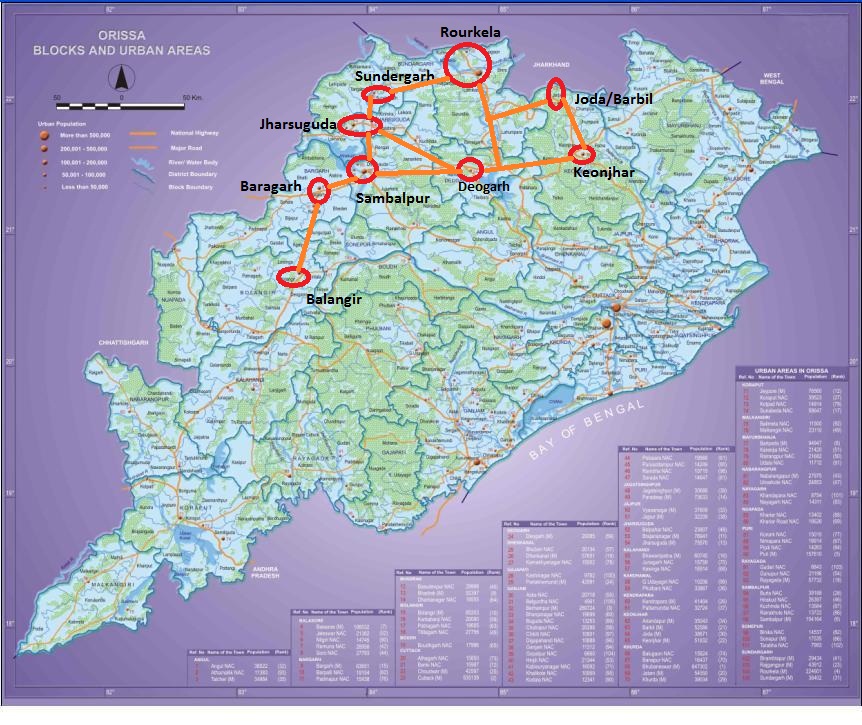
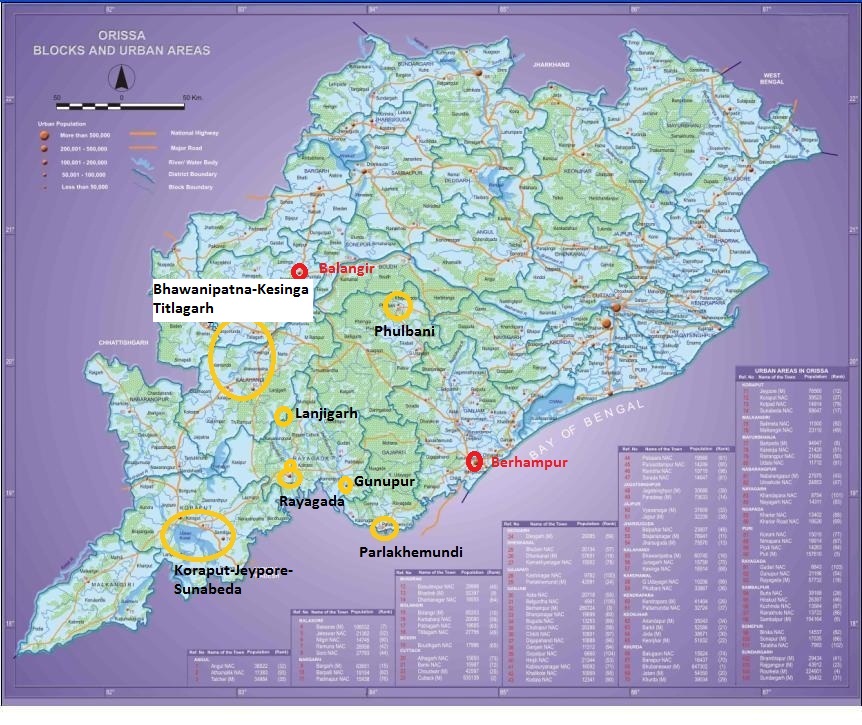
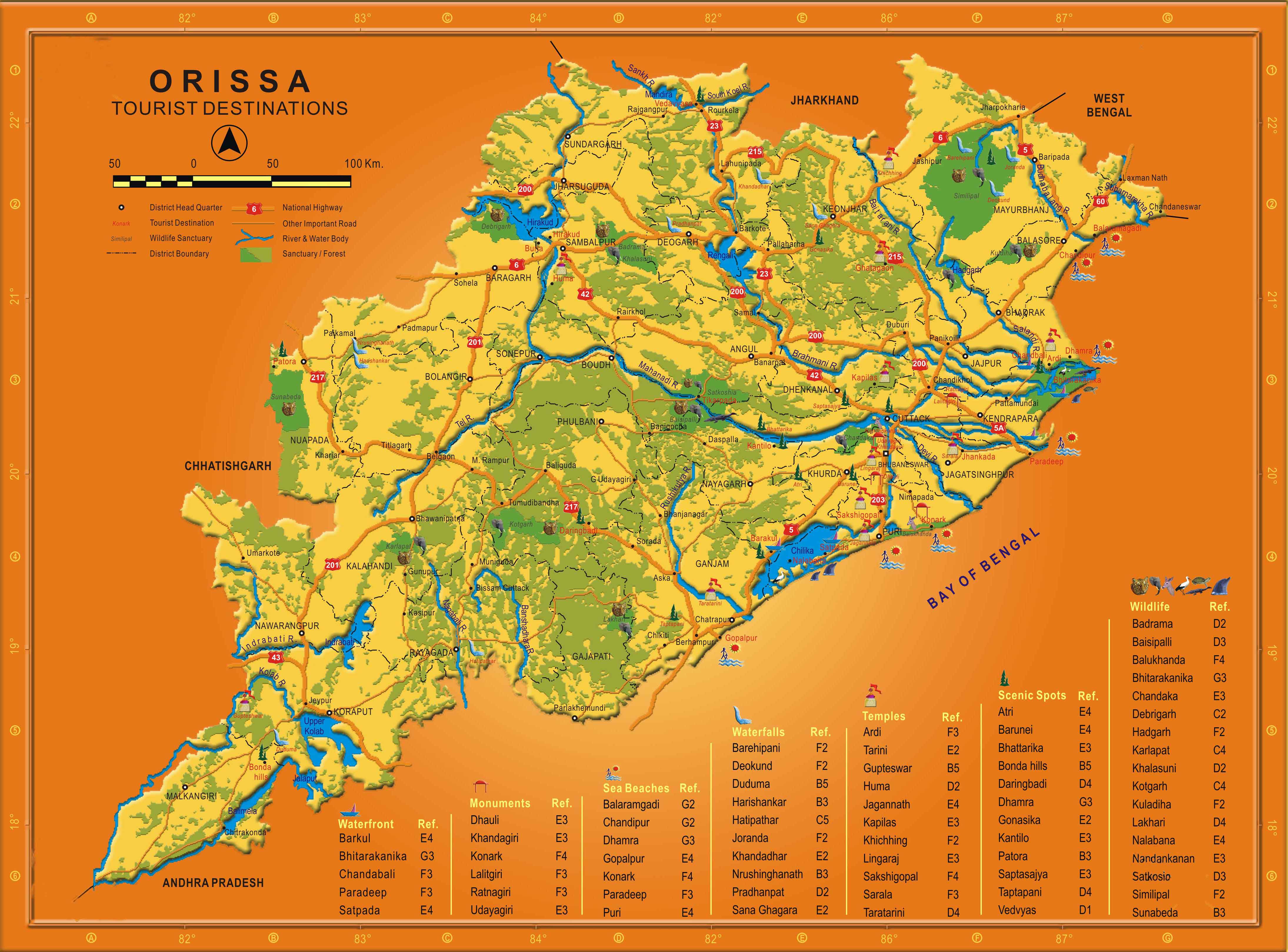
I believe that for Orissa to develop several urban centers and clusters need to be developed. So far many are developing. The ones marked with red are either developed or are in the path of development. The one in purple (Keonjhar) has a good chance of development. The three green ones in the big green zone, denoting Bhwanipatna, Balangir and Phulbani are in need of development. The following table lists what these various urban areas and clusters have or are going to have and what they don’t have and the govt. should make efforts to fulfill those lacunae.
Following is an excerpt from a report in Pragativadi.
Jindal Steel and Power Ltd is optimistic about commissioning the first phase of the proposed six MTPA steel mill in Orissa’s Angul district by October 2010.
… Briefing newsmen after the meeting, Jindal said that the work for the first phase of the project was progressing well.
The company had already spent Rs 4,000 crore so far for it and has placed an order for equipment for the purpose.
Of its total project cost of Rs 13,135 crore, JSPL had also spent a lot on land, construction, equipment and other activities, he said.
Jindal said JSPL has a small iron ore mine at Tensa in Keonjhar district and is hopeful of getting raw material linkage to its Angul project.
We have been allotted coal block for the requirement of our captive power plant and the steel plant, he added.
He said that the company apprised the chief minister about the progress and made a presentation before him, while seeking the state government’s help in availing new raw material linkage early.
The JSPL which signed an MoU with the state government for setting up a beneficiation plant at Deojhar in Keonjhar district and the Angul steel plant on November 11, 2005, had progressed well besides tackling local problems, he said.